Work / First Venture
Fleetback – From Service to Product
Designing the first SaaS for ARHS in automotive after-sales. Establishing real-time communication between mechanics and clients to build trust in car maintenance.

The Challenge
ARHS was historically a consulting and services company. Fleetback marked a strategic shift: the creation of their first proprietary SaaS product in the automotive after-sales space.
The core problem came from a lack of transparency during car maintenance. Customers were typically disconnected from the repair process, often discovering unexpected costs or unreported issues only at the end of the service.
The objective was to restore trust by creating a direct communication channel between mechanics and drivers throughout the entire service lifecycle.
My Role
I was the first designer dedicated to this product initiative.
- check_circle Product Discovery: I designed the entire user experience, transforming field problems into a functional interface.
- check_circle Technical Catalyst: Drawing on my developer background, I acted as the central pivot between the product vision and the technical implementation.
The Strategy
My strategy relied on brand independence and the creation of a complete communication tool:
Product First, Not Brand First
We made a deliberate decision not to treat Fleetback as a white-label extension of ARHS. Instead, I defined a distinct, simple, and modern product identity designed to stand on its own as a SaaS solution.
Transparency as the Core Principle
EEvery interaction was designed around one principle: eliminating uncertainty for the end user throughout the entire service process.
Feature Integration
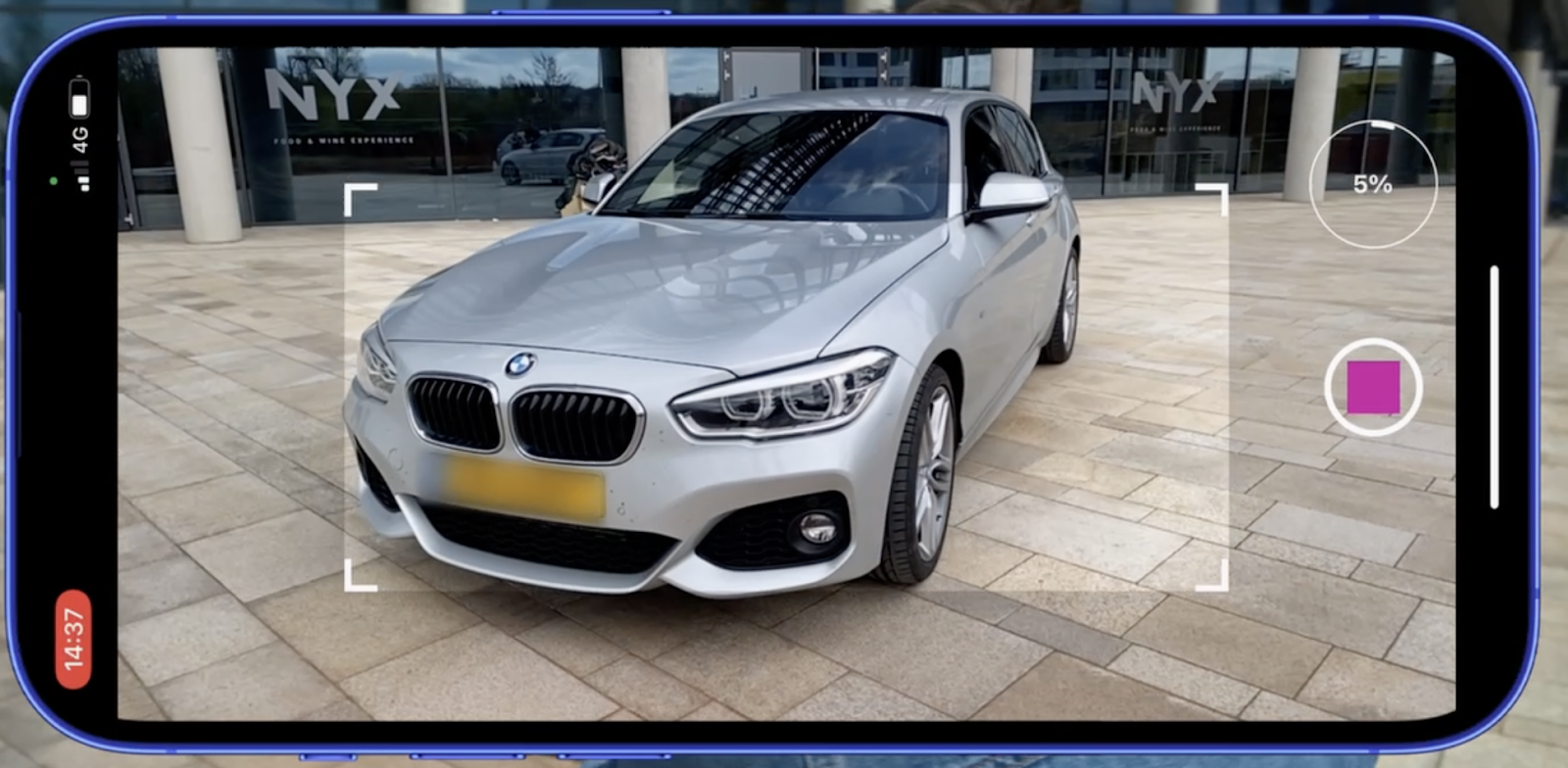
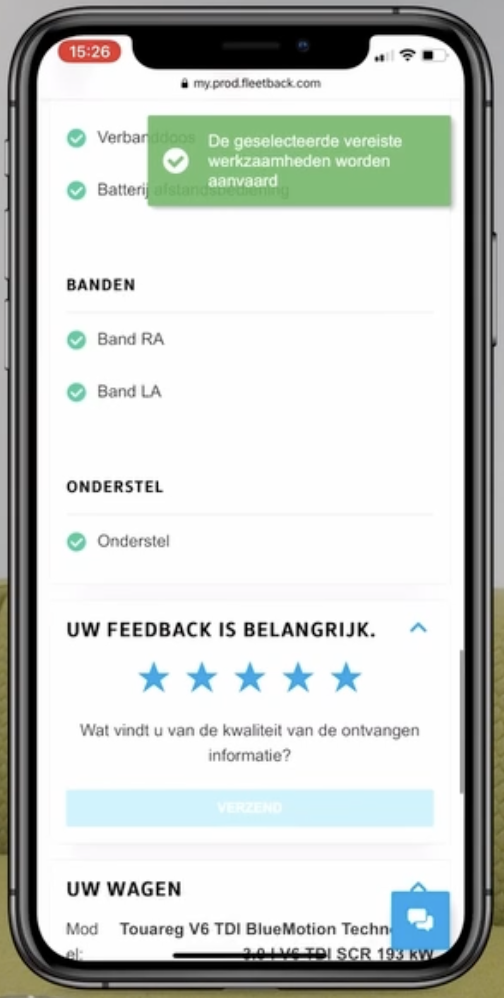
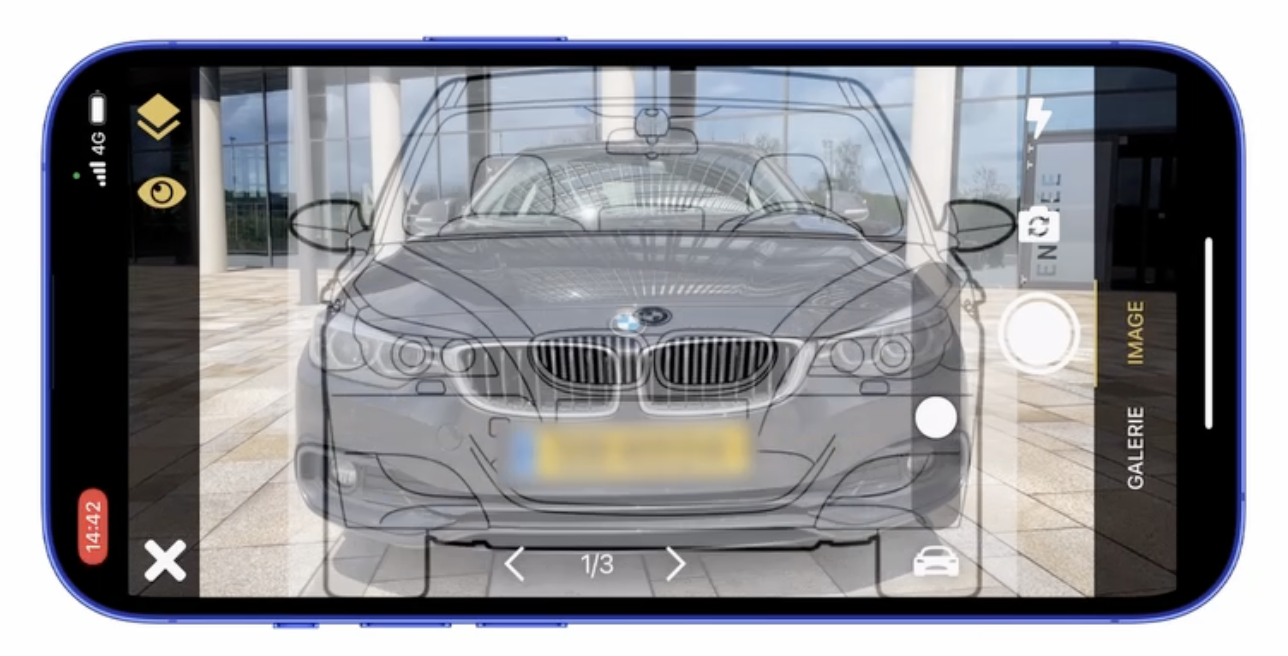
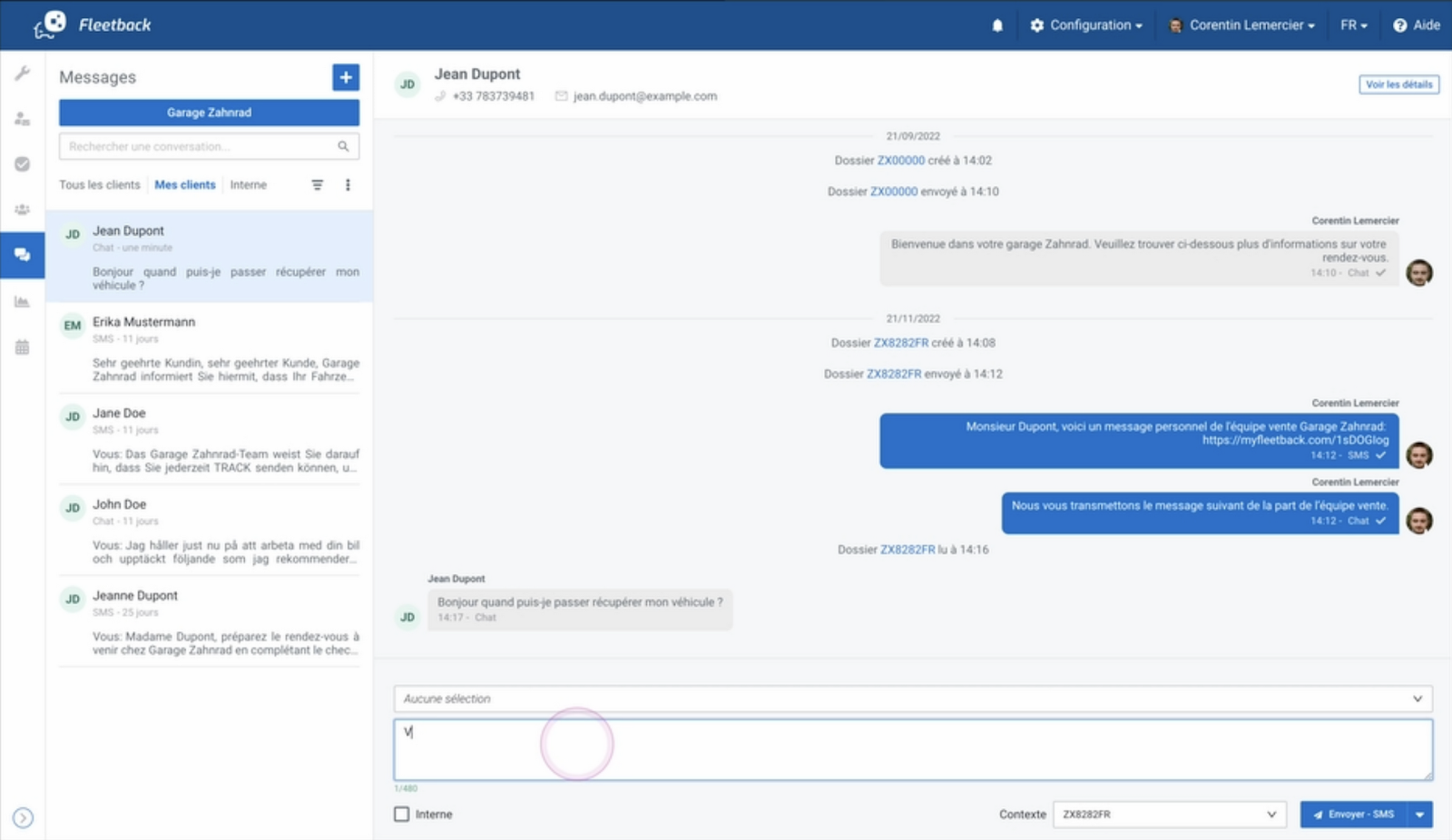
This translated into a set of trust-building mechanisms such as: vehicle handover videos and photos, live communication between mechanic and driver, step-by-step repair validation flows, in-app billing transparency.
Execution
The execution was marked by a proactive "Design-to-Code" approach to guarantee final quality:
Design-to-Code Approach
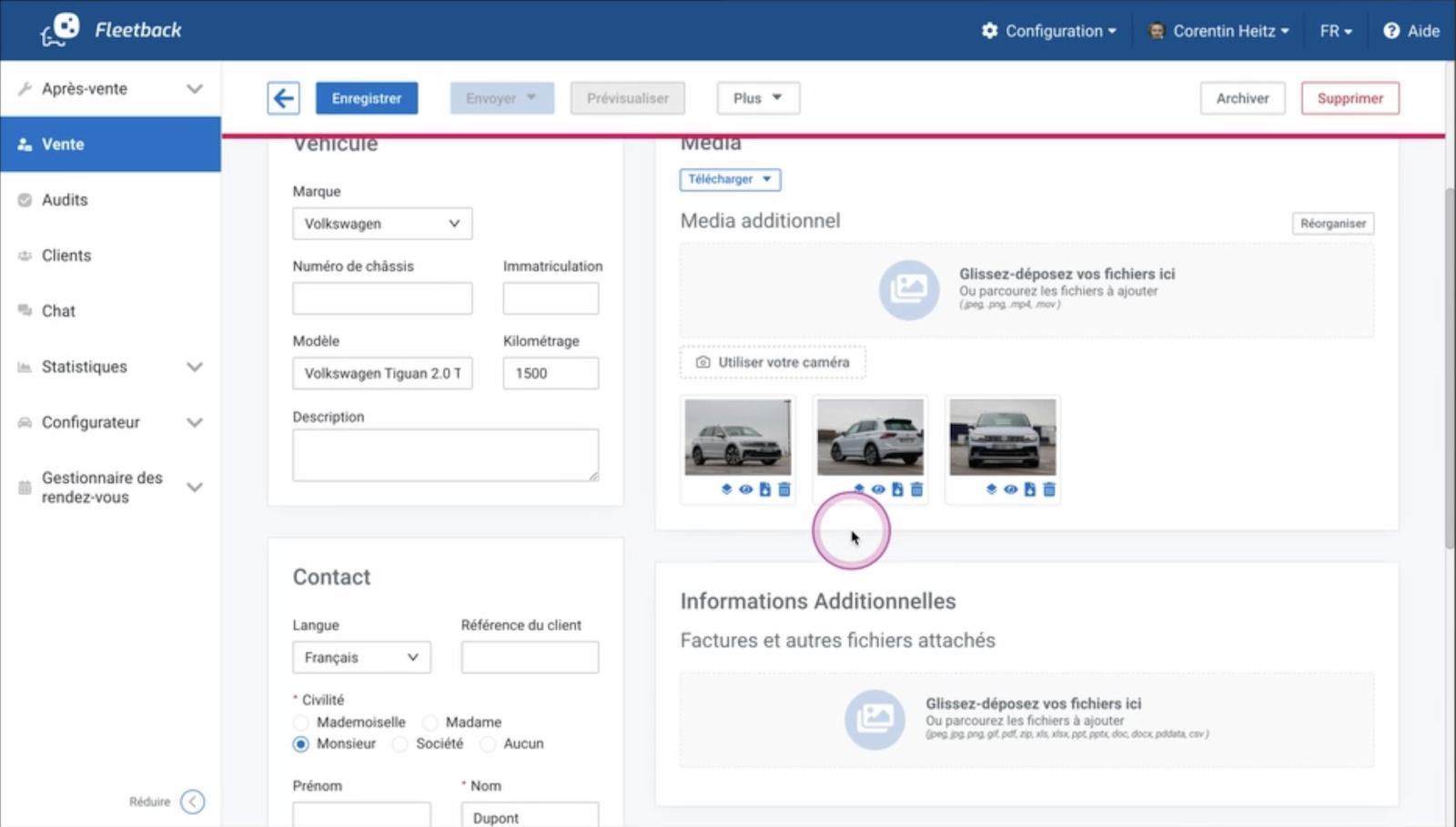
At an early stage of the product, I went beyond traditional UX deliverables by building the initial interface directly in HTML/CSS. These were not rough prototypes, but clean, structured, production-quality interfaces used to validate both UX decisions and visual direction. This approach allowed us to test interactions in a realistic environment and significantly reduce the gap between design intent and technical implementation.
Bridging Design and Engineering
These front-end foundations were then handed over to the development team and evolved into the final Angular application. Because the structure and UI patterns were already solid, the transition to production was smooth and preserved the original design intent with minimal reinterpretation.
Close Iteration Loop
I worked closely with developers and stakeholders throughout the process to refine the product iteratively, ensuring alignment between user needs, technical feasibility, and product direction.
Outcomes
Commercial Success
Fleetback became a long-term commercial success and continues to evolve as an active product.
Corporate Evolution
The impact of the product was significant enough to evolve into a standalone ARHS subsidiary dedicated entirely to its development.
0→1 Foundation
This project demonstrated my ability to take a product from early concept to real execution, combining UX design with hands-on front-end craftsmanship to ensure both clarity and feasibility from day one.
Reflection
This is one of my earlier projects, more than 10 years old, and I no longer have access to the original design files. I still chose to include it because it represents a foundational moment in my career: my first experience building a product from the ground up.
What stands out in retrospect is how strongly it shaped my understanding of product design as a bridge between user problems, business strategy, and technical execution. Being involved at such an early stage (and contributing directly through production-grade HTML/CSS work) gave me a clear view of how design decisions translate into real, scalable products.
Fleetback also remains meaningful to me because of its trajectory. Seeing the product evolve from an internal initiative into a standalone ARHS subsidiary confirmed the long-term impact that early product thinking can have. Even without having worked on the later stages, I’m proud to have contributed to its very first version and to have helped define the foundations of what became a successful company.