Case Study / AI Companion
Spark — AI-driven Employee Experience Companion
Reimagining enterprise IT support through an employee-first AI interface.
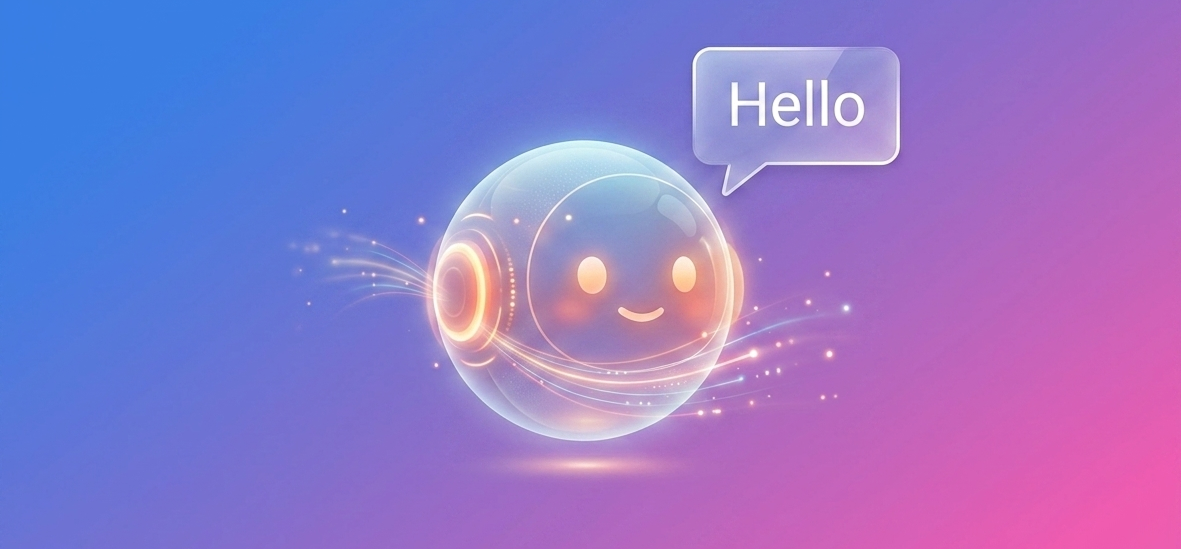
"Spark is an AI-powered companion designed to help employees resolve IT issues autonomously through conversational assistance, knowledge retrieval, and automated remote actions."
The Shift
For years, employees had to rely on traditional IT support workflows to solve everyday technical issues: creating tickets, waiting for responses, navigating support portals, and dealing with unnecessary friction for relatively simple problems.
Spark was created to fundamentally rethink that model.
Instead of forcing employees into IT processes, Spark introduced a conversational support experience where users can directly chat with an AI assistant capable of resolving common issues autonomously, from password resets and access requests to software troubleshooting.
From an ticket-centric tool → to an employee-first product experience
The Challenge
Traditional IT support workflows are fundamentally reactive: employees create tickets, wait for responses.
Spark challenged that model entirely by replacing ticket-based support with a conversational AI experience capable of resolving problems directly inside the flow of work.
We needed to:
- Introduce an AI-first interface layer
- Avoid disrupting existing IT workflows
- Support complex enterprise constraints
- Ensure scalability across multiple product surfaces
And most importantly:
Make enterprise IT support feel simple, immediate, and conversational.
My Role
I led the product design vision for Spark from concept to multi-channel deployment.
My focus was:
- check_circle Define the experience strategy for an AI-first interface
- check_circle Align product, engineering, and UX leadership on a shared vision
- check_circle Translate a new persona (employee) into a scalable interaction model
- check_circle Design across system-level constraints, not isolated screens
Designing the Experience
From chatbot to experience layer
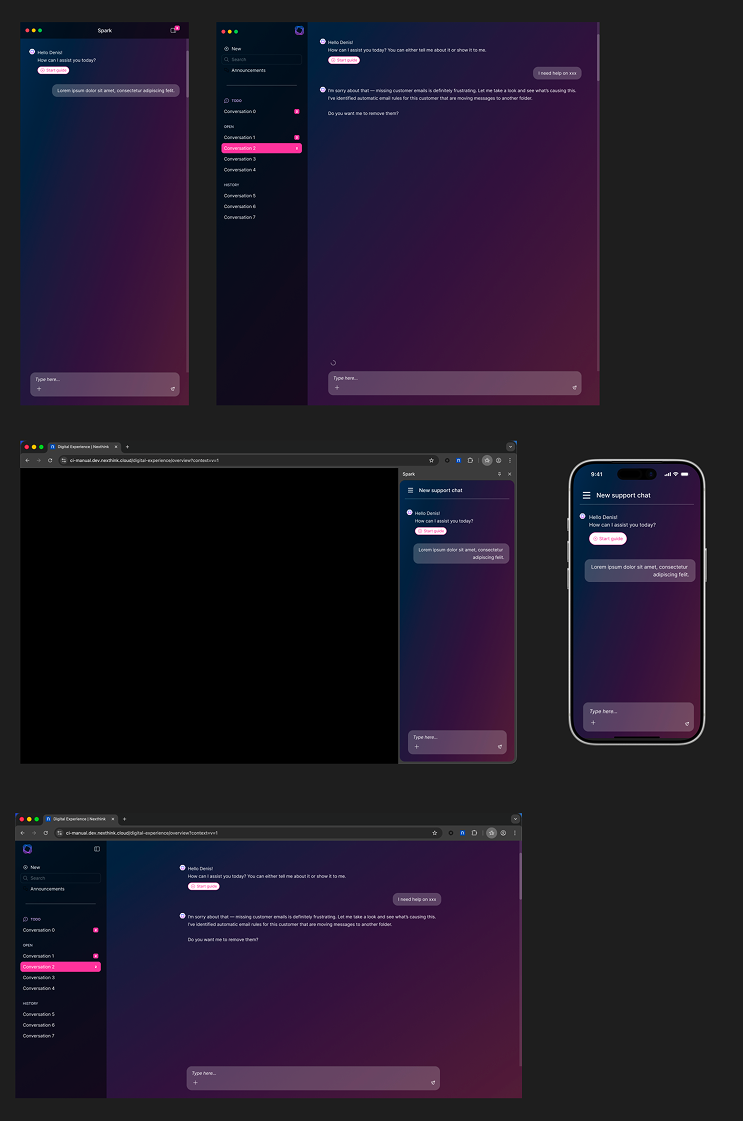
Spark initially started as a standalone MS Teams chatbot. We evolved it into a multi-channel experience layer embedded in the employee workflow.
The goal was not to build “another app”. It was to ensure Spark is available in the browser, desktop, mobile, and as a contextual sidebar.
Always visible, never intrusive.
Designing for context, not screens
Each environment had different constraints: mobile limited attention, desktop task switching, and sidebar workflows.
This led to a core design principle:
The experience adapts to the context, not the other way around.
System Thinking
"Navi"
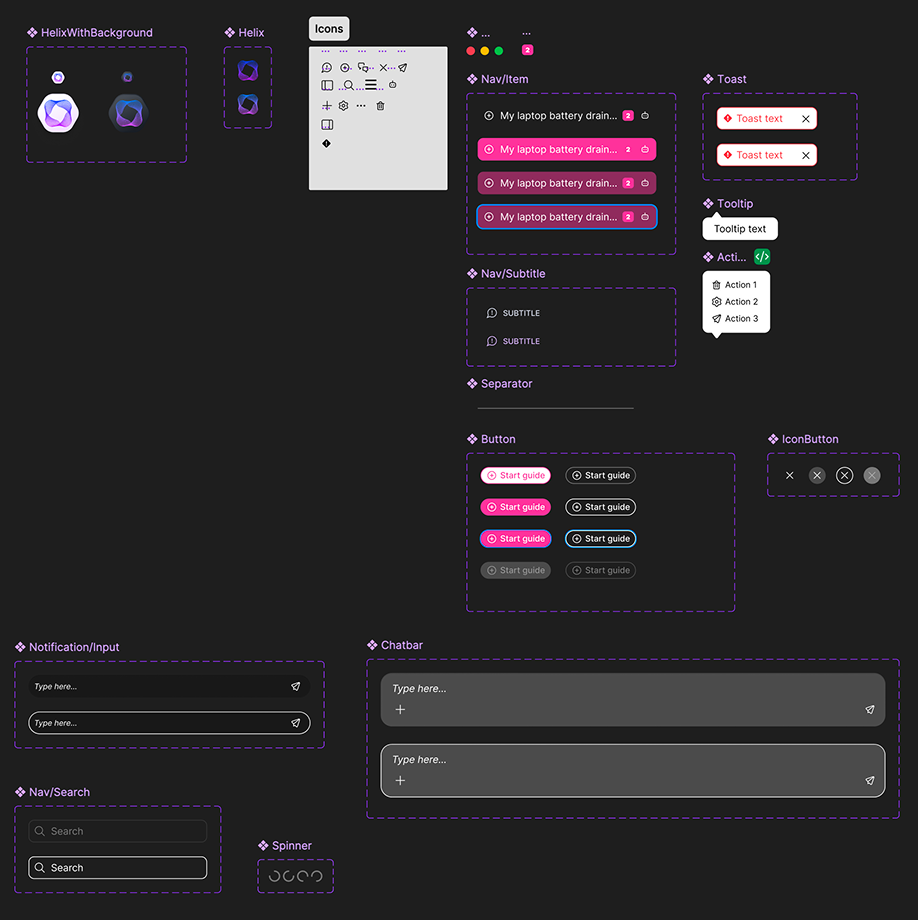
To support AI-native interactions, we introduced a new visual and interaction language:
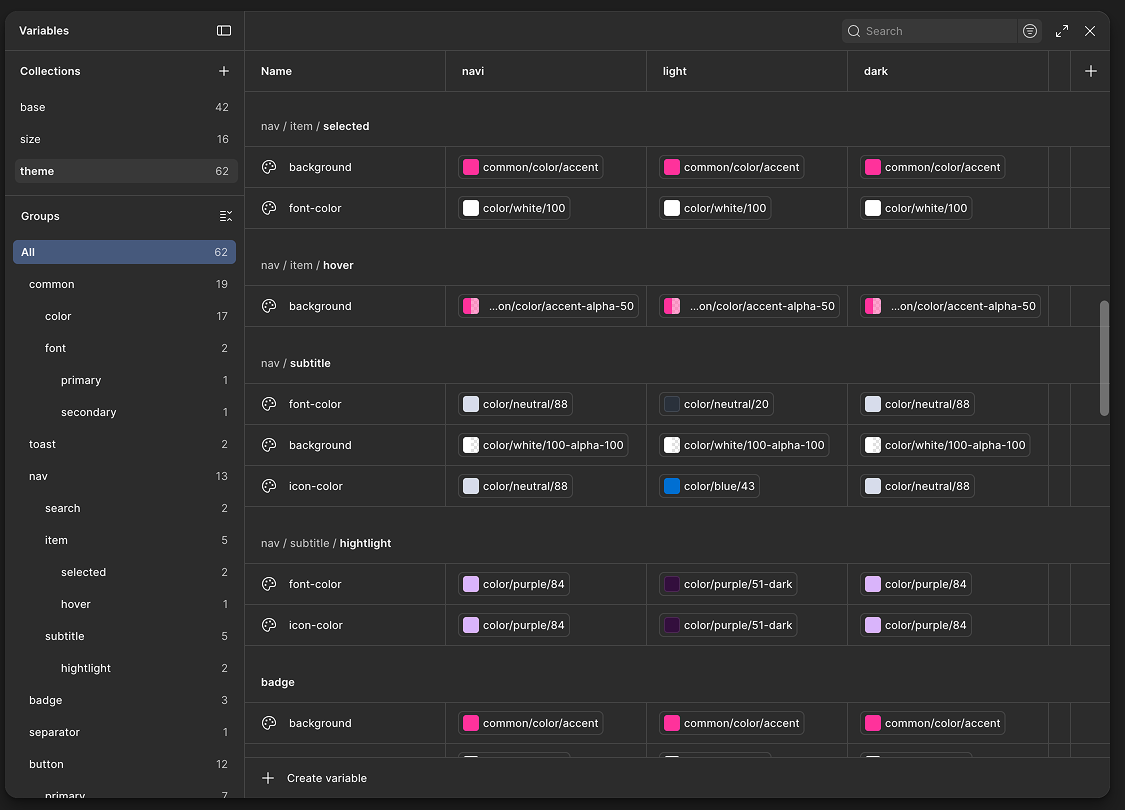
Navi design system
- Conversational UI patterns for AI interactions
- Navi/Light/Dark mode native support
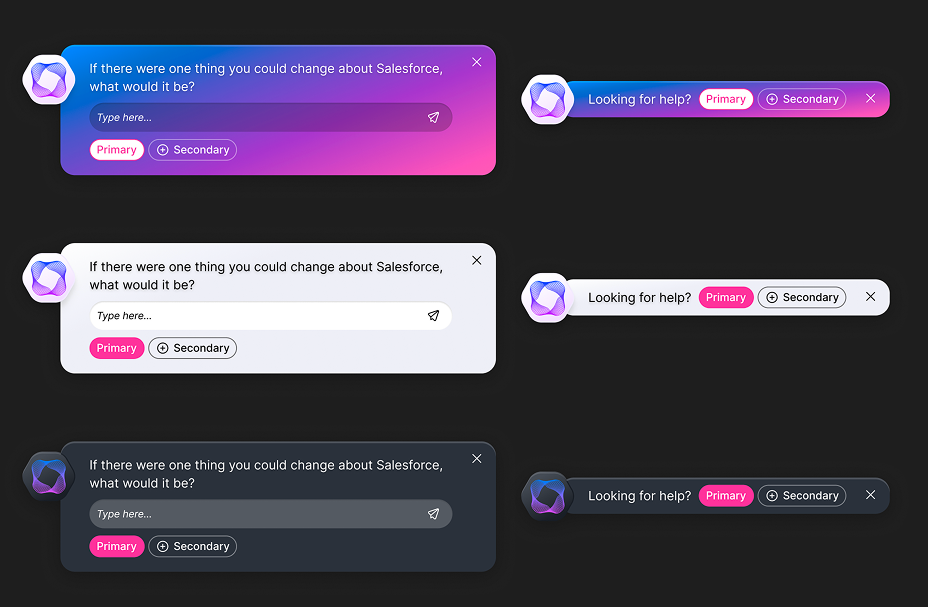
- Signature Gradient Styling
- Scalable design tokens aligned with engineering
A reusable system for AI-driven enterprise interactions
Collaboration & AI Workflow
Design x Engineering Alignment
One of the key challenges was systemic alignment. We worked closely with engineering to define semantic naming for design tokens and reduced ambiguity between design intent and implementation.
Being aligned on shared component logic significantly improved iteration speed and implementation consistency
AI in the Design Process
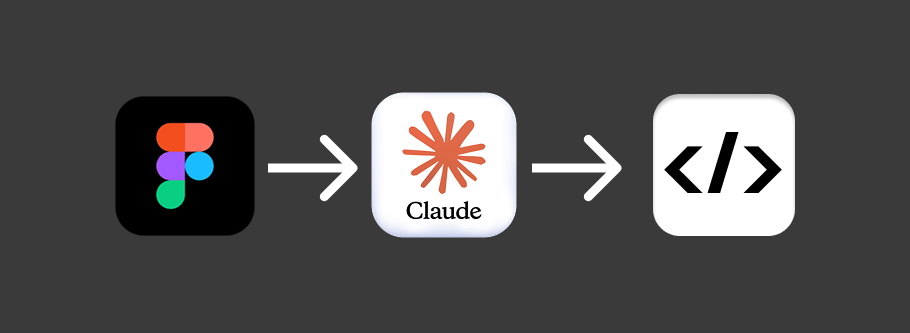
Spark was a testbed for AI-assisted design. We used generative AI for rapid prototyping and Claude-based workflows for structuring UX logic.
That led to faster exploration of conversational flows and edge cases
Outcomes & Impact
A deployed AI-driven employee experience interface
Available across 4 major channels
A scalable foundation for employee-first workflows inside an IT-centric ecosystem
Stronger alignment between design system structure and engineering implementation
Faster iteration cycles through improved system semantics and AI-assisted exploration
Reflection
The challenge with Spark was not the conversational UX itself, but designing an employee-facing AI experience that felt modern, approachable, and distinctive. This led to the creation of the “Navi” visual language and a strong focus on maintaining a consistent experience across Desktop, Web, Mobile, and Sidebar experiences.
The most impactful part of the project was the collaboration model between Design and Engineering. By aligning directly with the Tech Lead on design system structure, semantic naming, and component logic, we enabled Claude to translate Figma components into production-oriented code with minimal handoff. This significantly accelerated exploration and iteration cycles through shared AI-assisted workflows.