Work / Service Design
Nestlé (VCII) – Streamlining the Global Meeting Experience
Improving the quality and punctuality of meetings by simplifying the entire user flow, from booking to physical connection in the room.
The Challenge
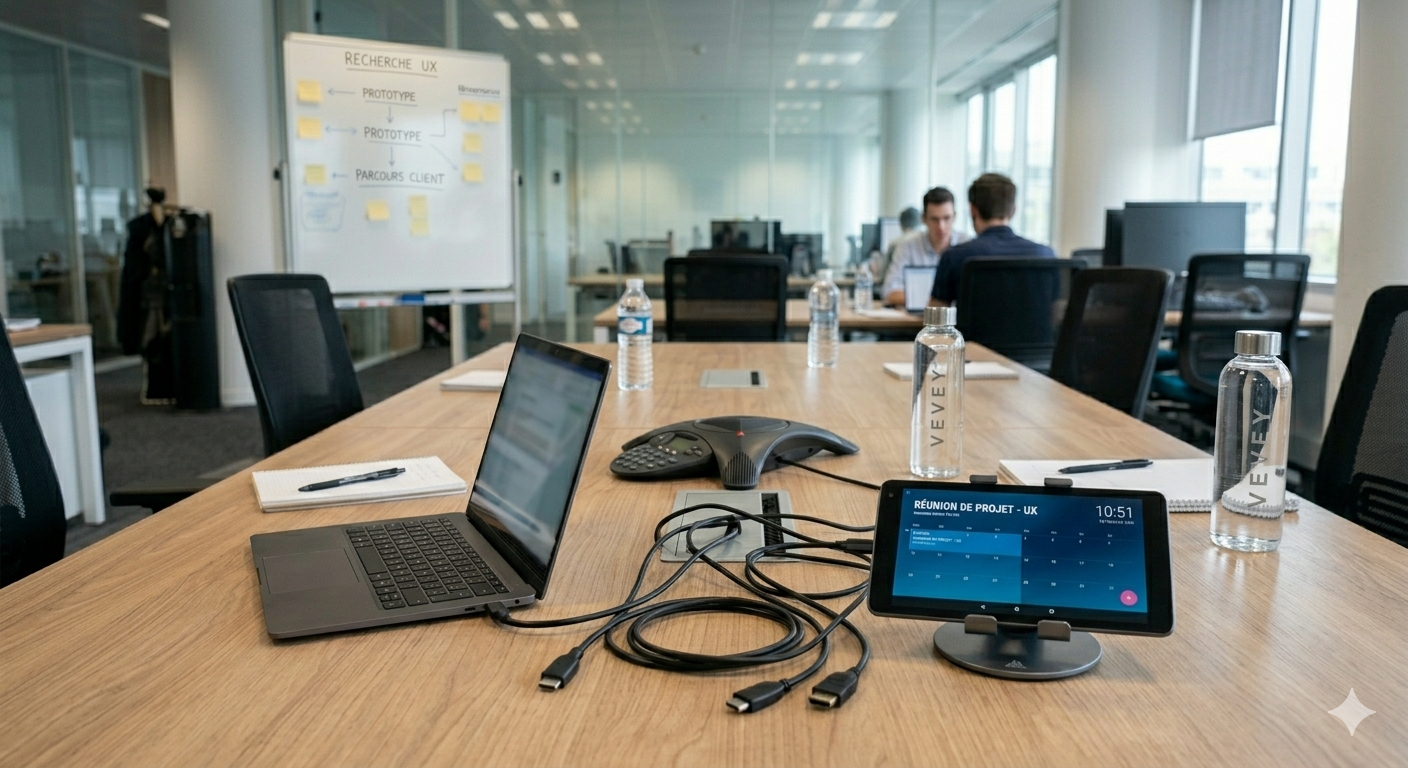
At Nestlé, meeting efficiency was significantly impacted by recurring technical friction across global offices. The VCII (Video Conference Improvement Initiative) started from a simple but recurring issue: employees were consistently losing time at the beginning of meetings due to setup complexity.
The root cause was not a single product flaw, but a fragmented ecosystem combining heterogeneous meeting room hardware and inconsistent booking workflows through Outlook.
The challenge was to simplify the entire end-to-end experience, from booking a room to starting a meeting, across a highly distributed global environment.
My Role
As Senior UX Designer (via Atos), I orchestrated the research and definition of new experience standards for employees.
- check_circle UX Research: I led the analysis of friction points across the entire user journey.
- check_circle Strategic Selection: I collaborated with IT teams to evaluate and choose the best software and hardware solutions.
The Strategy
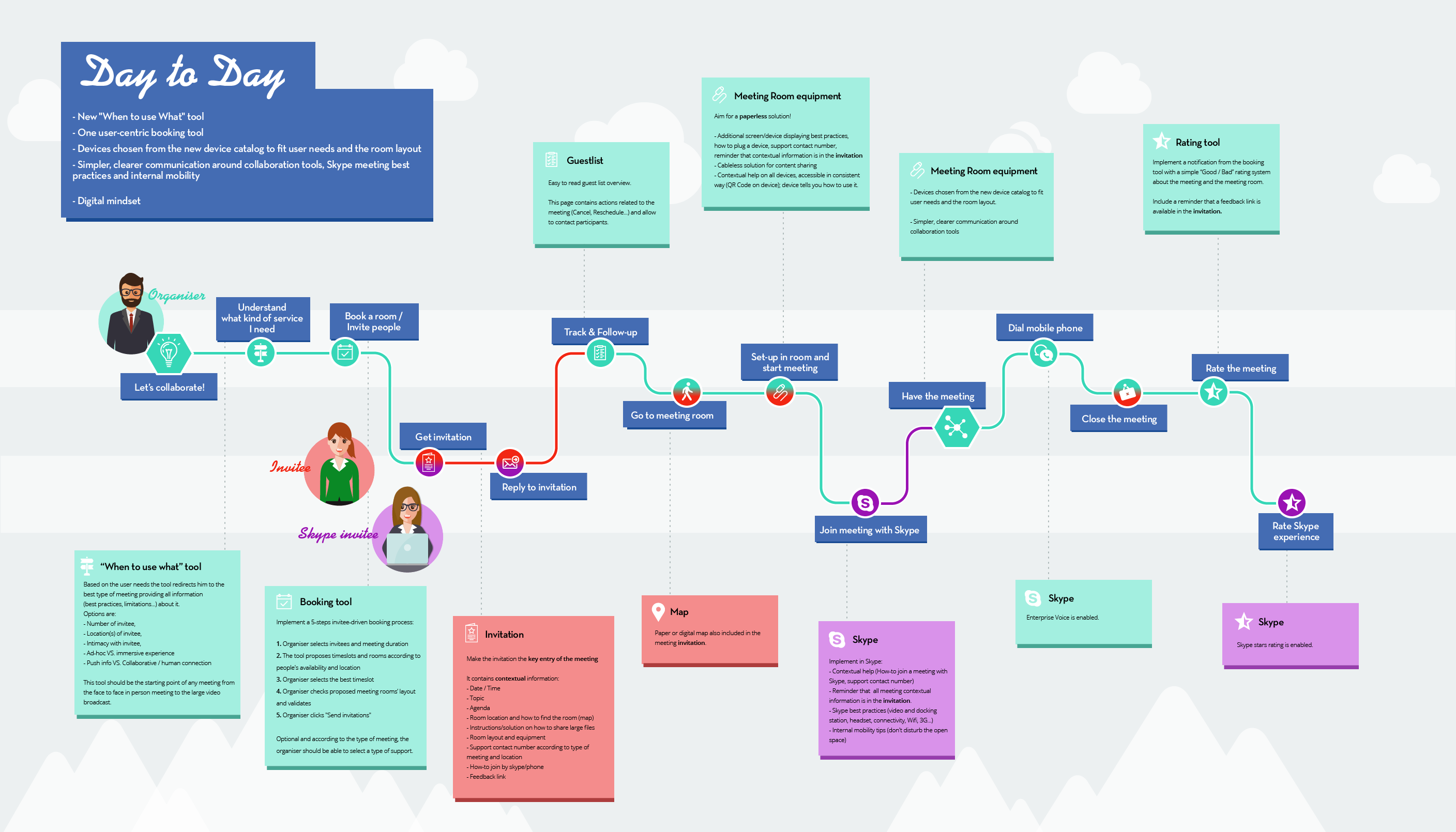
Rather than treating booking software and room hardware as separate systems, we analysed the entire meeting flow as a single experience, from intent to execution.
Outlook Plugin Evaluation
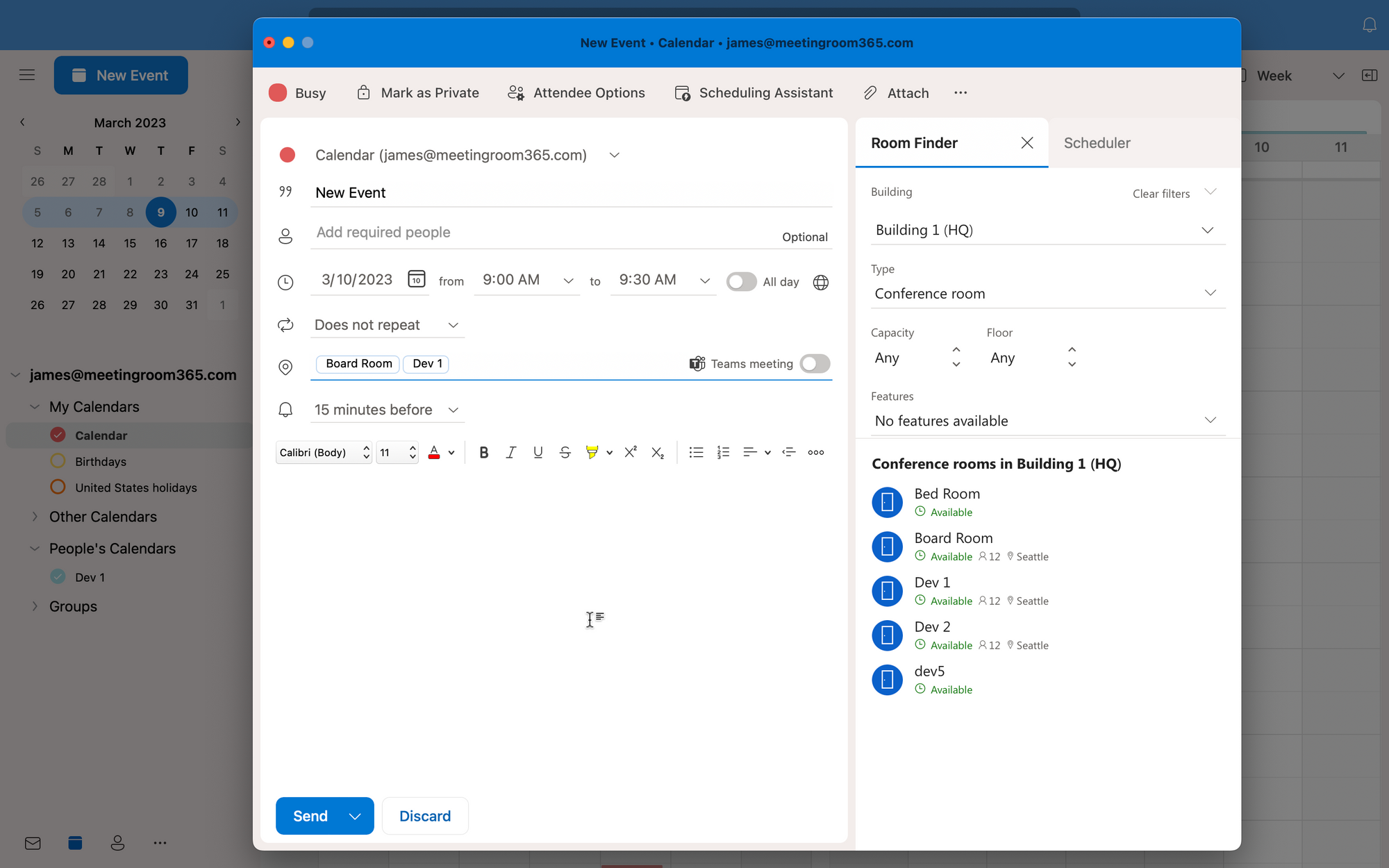
We conducted an audit and comparative testing of different Outlook booking plugins to identify the most intuitive and low-friction interface for employees.
HHardware Fragmentation
Research quickly revealed a deeper issue: lack of standardization across meeting room equipment created unpredictable user experiences and forced employees into unnecessary technical troubleshooting.
Zero-Tech Principle
We defined a guiding principle: meetings should not require technical knowledge. The ideal experience assumes zero configuration effort from the user — everything should simply work upon arrival in the room.
Execution
The outcomes of the research directly influenced both software and infrastructure decisions.
Service Design
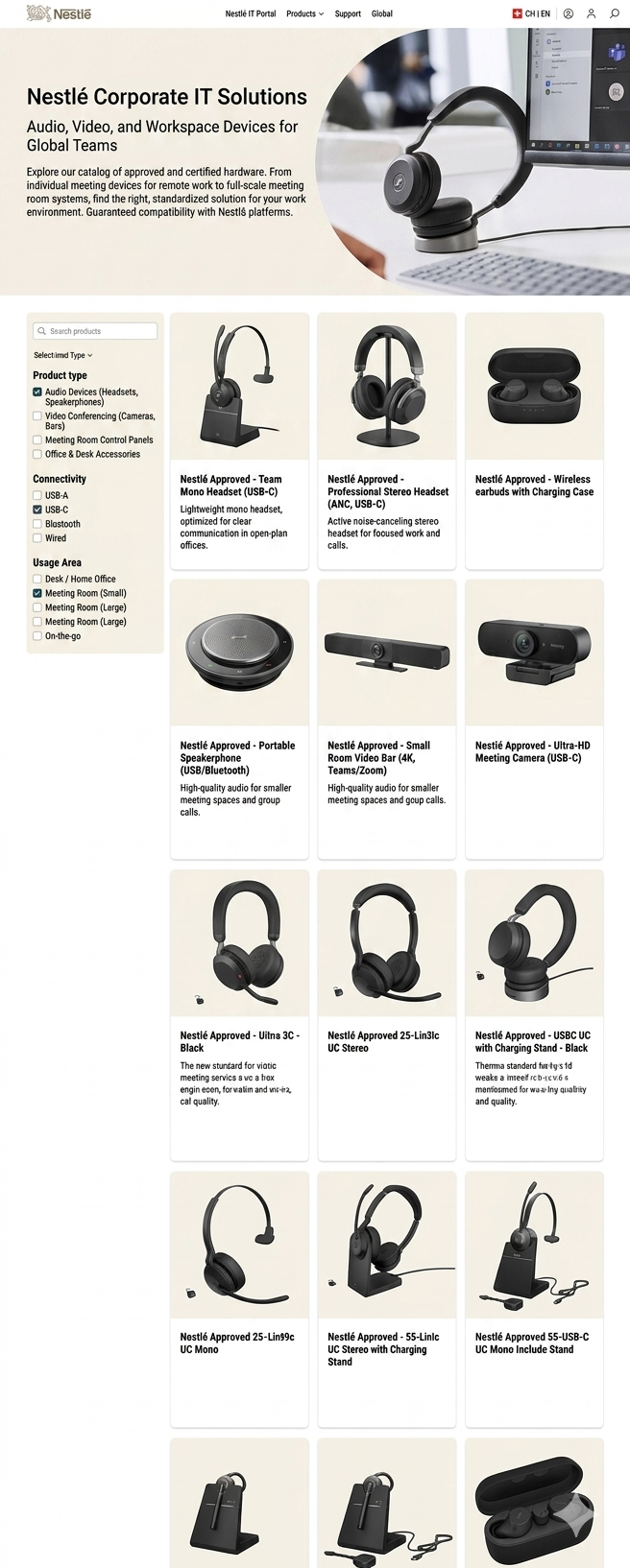
We recommended a standardized “Plug-and-Play” approach for meeting room equipment, reducing variability across sites and simplifying the IT ecosystem.
Seamless Connectivity
The meeting room catalog was redesigned as a curated set of fully interoperable solutions, removing complex configuration steps entirely.
Unified Guidelines
This shift enabled a consistent global experience where users could simply enter a room, connect, and start their meeting without friction.
Outcomes
Reduced Setup Time
Significant reduction in time lost at the beginning of meetings across multiple global sites.
Operational Efficiency
Lower cognitive load for employees and reduced dependency on IT support for basic meeting setup issues.
Global Consistency
A unified meeting experience standard deployed across Nestlé locations, ensuring predictability regardless of geography.
Reflection
This project reinforced a key shift in how I approach UX: the experience does not stop at the interface. There was no “screen redesign” here. The impact came from understanding the full system, including tools, hardware, environments, and human behavior.
It also highlighted the value of UX research in shaping decisions that are not visual, but structural. The most meaningful outcome was the adoption of a service mindset: simplifying complexity at the system level rather than optimizing isolated touchpoints. In that sense, this project was a reminder that UX is often less about designing screens, and more about designing conditions for experiences to succeed.